LinkyDink for LinkDing

I recently moved all my old Pinboard bookmarks to a self-hosted instance of LinkDing, which has been working flawlessly, and is truly a great setup for bookmarking and archiving. However, I struggled to find a good macOS app that worked with all the mac-assed standards we’re used to, so as we do these days, I got to work on building a simple but effective app, modeled after the design ethos of one of my favorites (NetNewsWire, which incidentally, reflects the user interface guidelines Apple sets out for coherently designed software anyway).

It’s been working great for a few days now, and I’m continuing to QA test it so it’s in good working order. One of the major pains I was having with LinkDing was that you have to manage bookmarks through the web browser interface, all with a lack of macOS integration (share sheets, menu bar, hotkeys). The best solution was to just build something that did this well, checked my boxes, and got out of the way. And so… LinkyDink was born.

It’s been an enjoyable process going through the motions of building something usable that fits my current needs, and as a hobby, I’ll continue to tinker with this so that it’s as close to perfect as it can be. I don’t plan to offer this broadly to anyone else, though I can upload the source code once it’s in version 1.0 shape.

You can read more at the landing page for LinkyDink, including a log of its feature updates, screenshots, and user guide to get a sense of how this works. All straightforward, simple, functional.

A computer screen displays the LinkyDink app with a bookmarks sidebar and an article titled The Wolves Are Why We Do This on a sports website showing two basketball players giving a high-five.

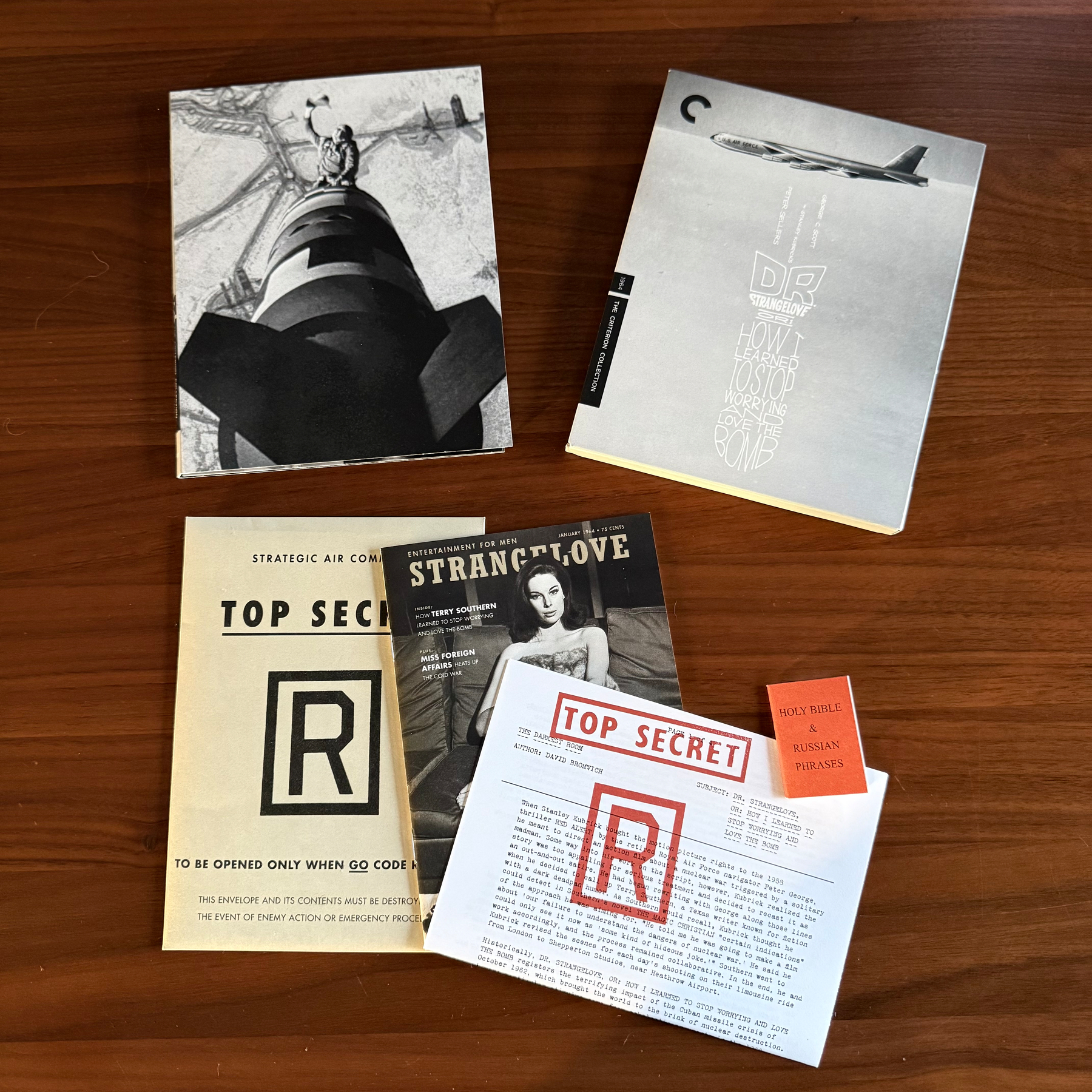
The packaging for Criterion’s edition of Kubrick’s Dr. Strangelove is truly something.

A collection of books and documents related to the film Dr. Strangelove is displayed on a wooden surface, including top secret envelopes marked with a large red R.

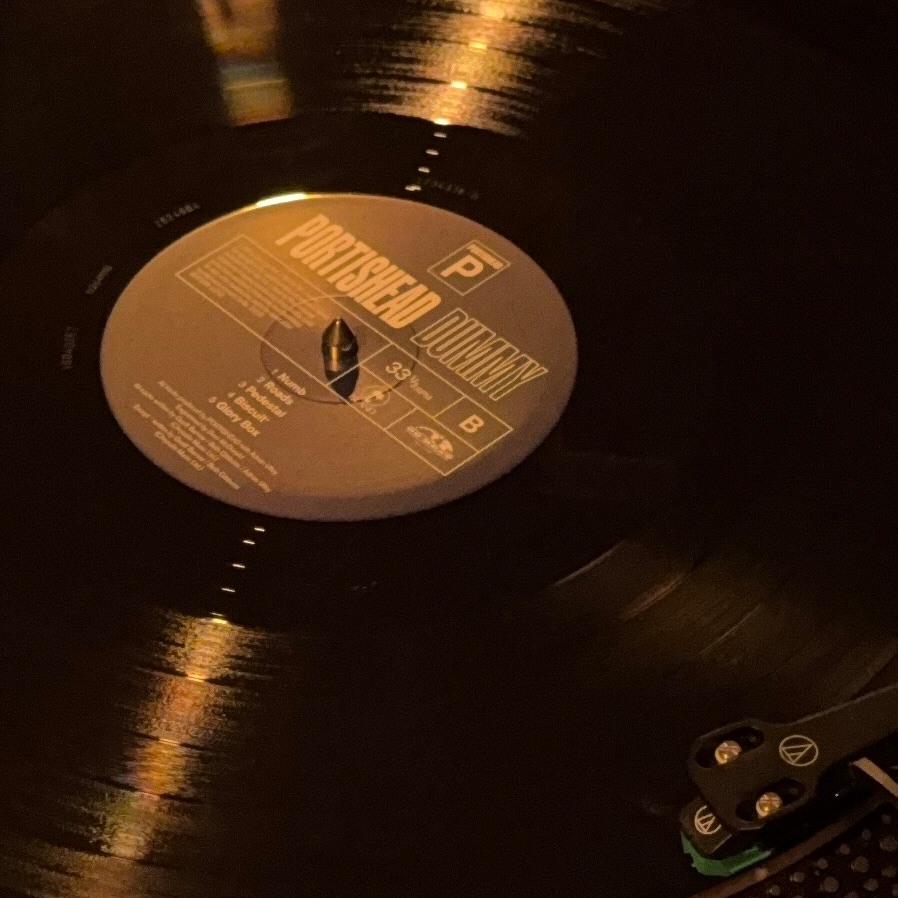
Sun down, vinyl out.


Still reveling in the wave.


Been using a self-hosted instance of FreshRSS the last several weeks, and I’m not sure why it took me this long to switch. This is by far one of the better ways to retrieve feeds. Compile in an app of your choice (mine: NetNewsWire). Great experience setting up and running.


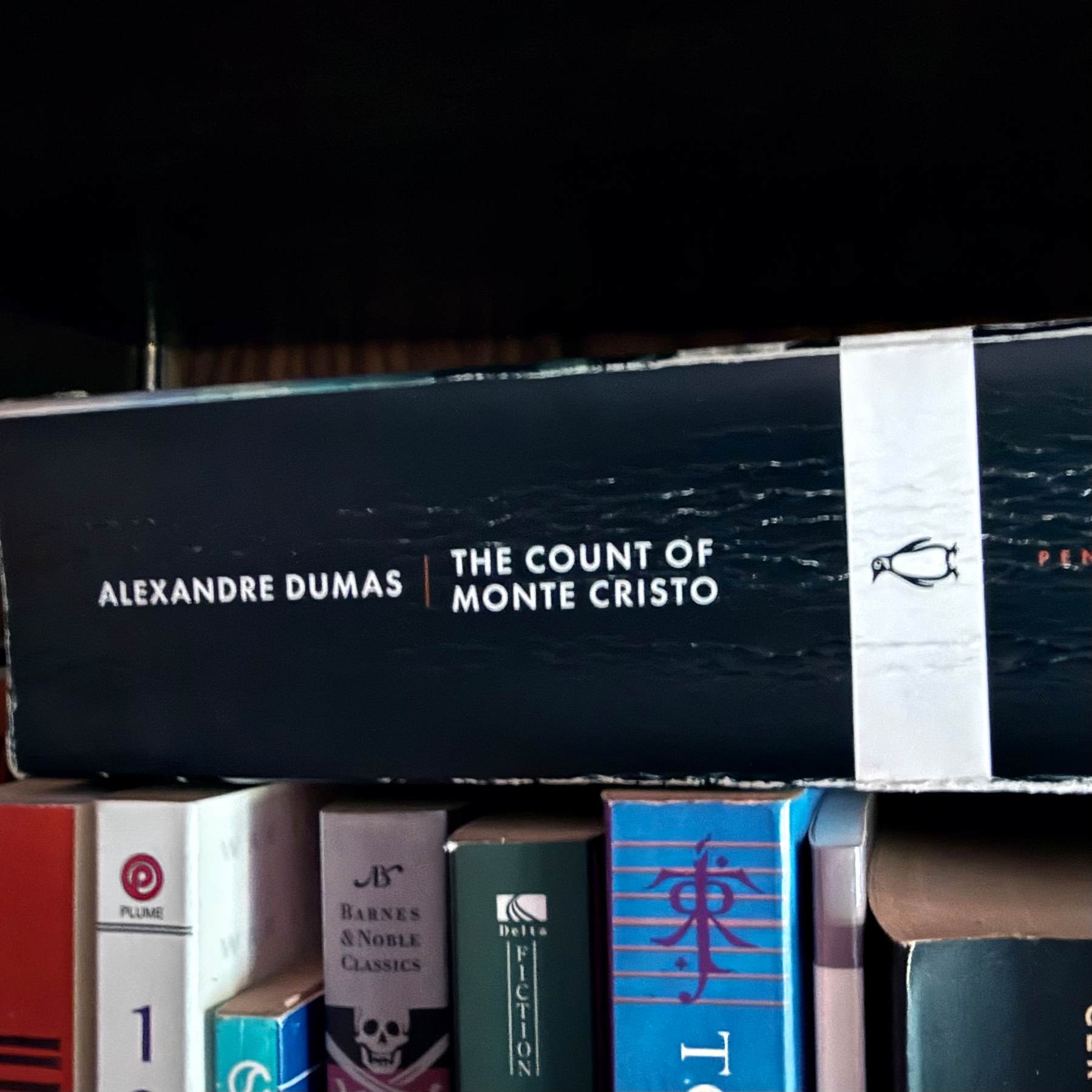
Finished The Count of Monte Cristo yesterday. A fun, breezy 1,250-page read that satisfies in a way that feel-good films do, with a lean towards intellectual and historical depth, but a more plot-driven thriller than I expected. In fact, it echoes how many television series are written today (yes, its original printed serial format lends credence to this).

In the end, it’s fair to say: vengeance never felt so well-orchestrated.


Why the hell are things the way they are.

A list of trending news stories includes topics on aging, garage hacks, frugal living tips, and a planetary-scale weather event heading for California. (Trending News articles in Apple News, Sept 28)

Jeff Atwood sharing an email response to his piece on not being able to vibe code love, asserts some wisdom:

Perhaps the LLMs are a reminder that we should make an extra effort to cultivate relationships with each other and form communities online – communities that belong to us, not some billionaire. Communities where we regularly stop to help each other, because that’s how we learn too. And if we do not stop to help each other… what do we become?

I personally decided to stop cross-posting my blog to Threads, and now it only copies itself to Mastodon and Bluesky, two federated platforms uninterested in contradictory investing in LLMs that seemingly help replace online communities.

While I’ll admit, large platforms like Threads can prove important during times of breaking news events and locality (it was a critical source of information earlier this year during Operation Metro Surge in the Twin Cities), I hope other forms of online local communities proliferate in the future.


✱ Reading is Important

Herman (of Bear Blog), on reading books:

Reading does something that other forms of media, by their nature, can’t do: it allows the reader to see the world through the lens of the author and their characters, creating empathy, where they not only see the actions taken (such as in film), but also understand their perspectives, motivations, thoughts, and feelings.

This is partially why I also prefer reading news to watching it. Print journalism is an altogether trickier format than video journalism, but there is something to be said about fewer optical ways to persuade an audience and instead encourage them to critically think about how the story or facts unravel via language.

Printed formats of anything allow for more of this. Take your time. Let it simmer. Focus.

Reading is important.


This candy store in Jordan, MN (allegedly the largest in the state, no way I’d argue against it), was a roadside spectacle. What’s in the dome? You could never guess.

A large yellow spherical structure with a red decorative dinosaur and red flags positioned in front of it against a clear blue sky.

Clouds, mushrooms, trees. Vantage point: biking.

A lush green landscape with various trees and plants is set against a backdrop of a soft pink cloud under a clear blue sky.A cluster of shelf fungi with white edges grows on a decaying tree stump in a wooded setting.


I fully support local coffee shops deploying canned brews, giving us a choice against (usually) poorly executed, mass-produced offerings at most grocers.

SK Coffee released theirs earlier in the summer, and it’s an excellent first offering; alas, just wish it was more widely available at retail.

A four-pack of tall cans labeled Cold Brew Peru, by SK Coffee is placed on a brown leather surface.

✱ A Pacific Northwest Jaunt

We decided to return to the Pacific Northwest for our summer trip, three years after our last excursion. Nine days, spanning a landing in Seattle for a couple nights, a ferry into Canada’s Victoria on Vancouver Island for a few evenings, another ferry to Vancouver to pick up a car to drive up to our favorite resort in Whistler for three nights, and back to Vancouver to regroup and fly out the following morning.

A tranquil lake is surrounded by dense green forests and towering mountains under a vibrant blue sky with scattered clouds.

Sounds like a lot of moving around, but we dialed this in perfectly with plenty of rest and relaxation, a few recreational excursions, and a lot of eating and drinking our way through great establishments.

British Columbia is truly beautiful. Everything is picturesque, especially if you’re from the midwest and used to seeing a horizon line (we did, in fact, miss our horizon line by trip’s end). Dramatic scenery is magnified by a focus on the outdoors, environmentalism, and, naturally, the best oysters found on the continent (the west coast simply has better oysters). We marauded through a half dozen spots to stuff ourselves with them, and every one of them was worth it. Kudos to Shuck Taylor’s in Victoria, though — we went back there twice.

The other highlight was resort hospitality, and we were delighted to return to a place that kept such things at a high standard with their staff. Attentiveness, recognition, and a helping hand to make moments count throughout the experience adds to the memory, especially in celebrating a milestone birthday for my wife.

A few notable places we went to this time (for anyone vaguely interested in my opinion):

  • Zig Zag Cafe (Seattle; drenched red lighting, breezy interior, decent cocktails, and a menu that wasn’t particularly interesting… yet was executed well)
  • Half Shell (Seattle; we scooted here for oysters, and enjoyed it, so much so we continued to scoot north all the way to Discovery Park)
  • Shuck Taylor’s (Victoria; wonderfully curated menu of oysters, seafood, cocktails in a seaside-esque dive bar)
  • Varsha (Victoria; I’m not sure what they do differently here, but the Indian cuisine is phenomenal)
  • JBI (James Bay Inn) Pub (Victoria; great dive to slink into for an afternoon drink or two)
  • The Empress’s Lounge for Tea Time (Victoria; allegedly the one true place to do this, and for all intents and purposes, it’s good)
  • Wild Blue (Whistler; a preeminent dinner spot)
  • Maenam (Vancouver; perfectly executed Thai… I’ll be thinking about their bite-sized scallop larb for weeks)

This may be the indication that we’re well under way with a new PNW tradition, if we’re fortunate to have the opportunity to continue doing so.

A forest trail winds through tall trees and moss-covered rocks on a steep hillside.

The Hyland Lake Ski Jump has such an ominous presence.

A ski jump structure extends above a wooded area under a partly cloudy sky.

For anyone interested… been tinkering with a fast way to insert the current date (YEAR-MM-DD) on MacOS (alas, Tahoe). After struggling to get an Automator Applescript to work, Shortcuts (I guess?) was the most elegant way to do it.

Sharing the shortcut here (it has a hotkey, but you can edit).


✱ Websites Lost in Stasis

Like several folks on the Internet, I’ve been taking the new Vivaldi 8.0 browser for a spin, and imported my Safari bookmarks to get a few favorites cooking on there. And as one does, I also took a moment to pick through dozens of websites I had organized eons ago to see if they still loaded (may of which I had forgotten).

Here’s a list of sites that still load, but seemingly have stopped updating. These sites fell out of regular visits long ago (perhaps through broken RSS feeds or interests drifting and I absentmindedly moved on), but worth a share, at the very least, to see if this resonate or remind anyone else of a bygone Internet.

I particularly remember Mandolux as the place to get photography-based desktop wallpapers; alas, that site hasn’t been updated since 2008.


I’m usually not one for indulging in nostalgia, but the pull towards it has been greater these past few years. Noah Kalina has a good reason why:

It’s probably because most people who grew up in that era are having a midlife crisis, but it probably also has something to do with enshittification and how corporations, in their pursuit of infinite profit, have turned everything we once loved into unremarkable products to be quickly consumed and discarded. We long for the days when things seemed like they had real meaning and value.


Waking up to the first snowfall of the season up here. It’s been tardy for the last several years in a row now, for whatever that’s worth.

Snow-covered trees create a serene winter forest scene.

Big move coming up. Am I one of the few who consider themselves moving enthusiasts? Yes. Organizing, packing, labeling, checklisting, and placing objects in optimal paths for trafficking this shit out of a house is high on my dopamine hits.


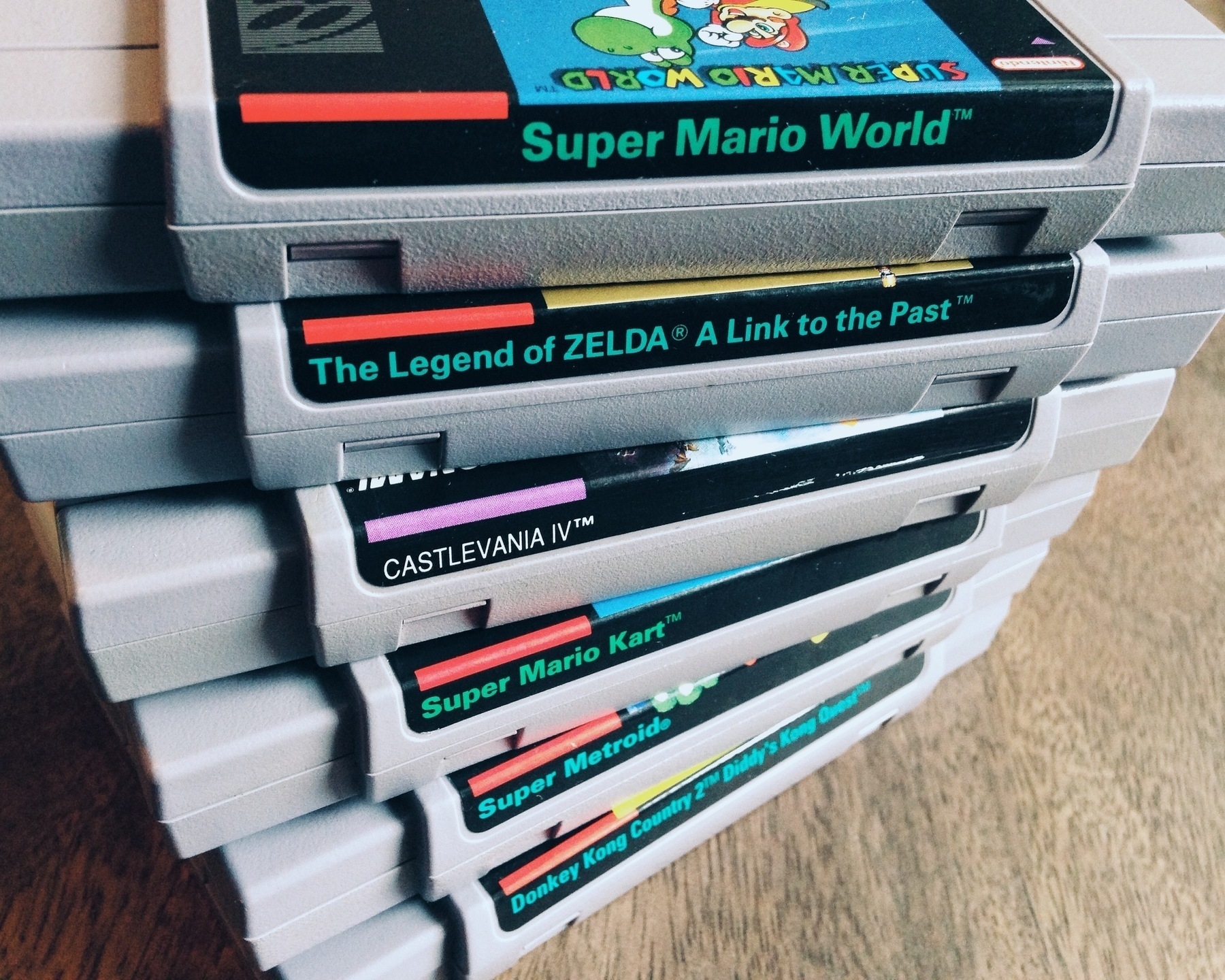
The Super Nintendo: A Retrospective

Every time I write about a game it seems like I'm pulling out a dusty box of memories and reminiscing. But unless you’re the God Emperor of Dune (sorry, been marathoning through these novels), we look to the past to contextualize the present. Older, canonized games have inextricably become reference anchors for so many of the new ones we play today — So much so that they have become ever more relevant with the direction the industry is tracking towards. Just like cinema, we have a lot to appreciate from the generations before us.

My gaming reverie started earlier this month when I finally completed an apartment move to yet another neighborhood in Chicago. Packing your entire life into boxes and plastic bins, stacking carefully padded glassware, and knocking on wood that nothing goes wrong over the course of 24 hours is an exercise in stress no one should submit themselves to more that once every few years. But rediscovering older gaming consoles you have lying around? That's satisfying.

IMG_6954.JPG

I actually had just brought the Super Nintendo to Chicago after my most recent holiday visit to Minnesota. While I hadn't kept a ton of cartridges from that era, all of my favorites are with me now. Unfortunately, one of the two controllers didn't make it, so I had to order a new one off eBay for my girlfriend. But having everything set up at our new apartment has us itching to play some retro titles.

But it wasn't just packing and unpacking the Super Nintendo that had me clamoring for a return to 1990s gaming -- it was that expected blip in Internet service from Comcast (until a rep came out to "properly install" things) that had us removed entirely from connecting the various devices like Apple TV and PS3 to their digital ecosystems. So it was a nice, quiet lull that brought out the analog devices for a good time: the record player, iTunes libraries, books, Super Nintendo.
IMG_6955.JPG

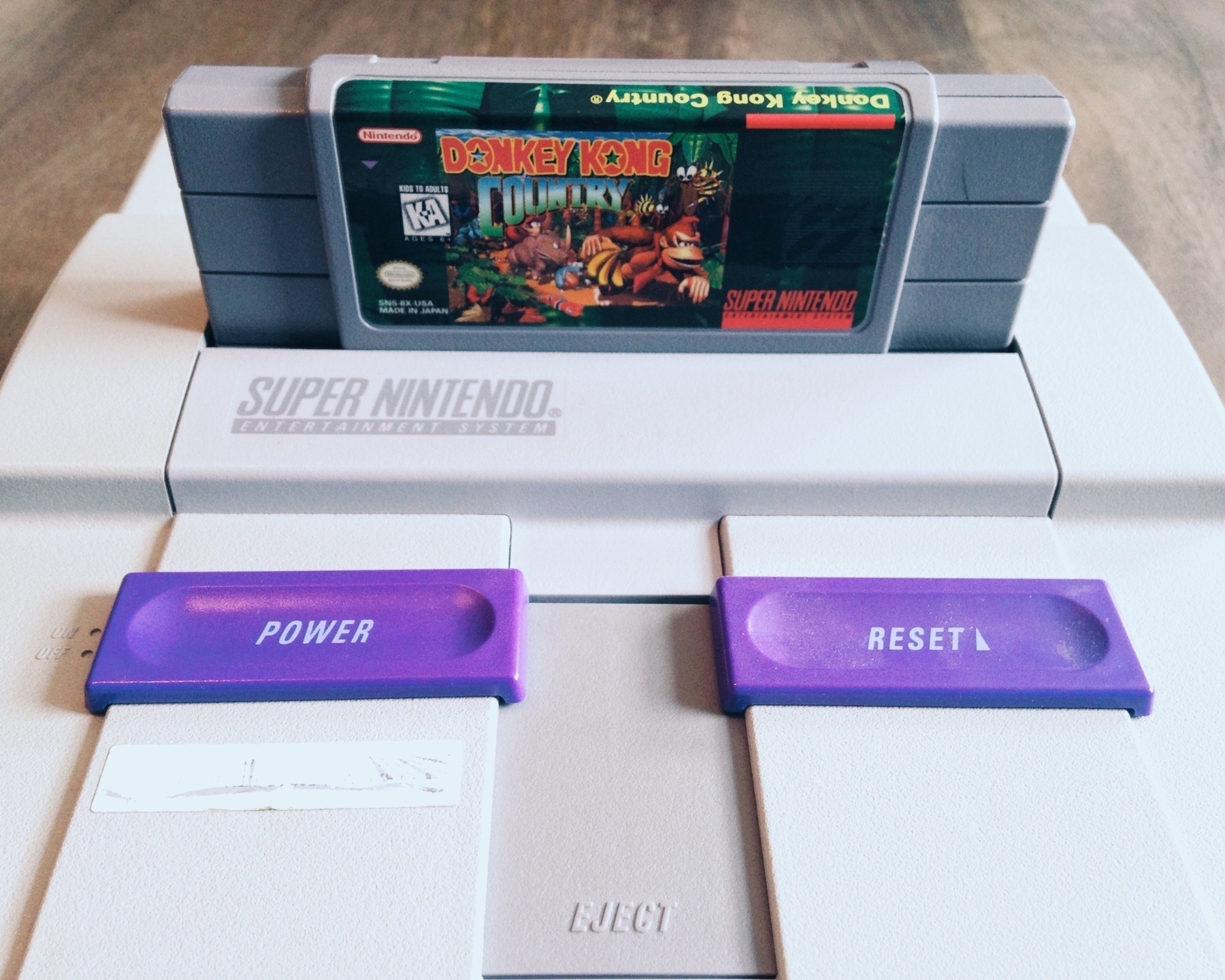
Luckily, my Super Nintendo had been cared for kindly over the last decade. I remember when I first purchased it, eager to own my first console through cold, hard saved cash from the piggy bank. (It was also a way to play some single player games without having to visit my neighbor’s house.) And so I made the investment back in 1994 as a nine year old kid. With the console all set up and Zelda: A Link to the Past sticking out of the top of the cartridge bay, I was ready to burn a hole into the couch that summer.

From the sizzling sounds of rain pattering on Link’s ludicrously small house to the heroic MIDI score infusing my sword twirls and dashes across the plains of Hyrule, the game would be one of many that captured my imagination. Revisiting the game today, its world(s) still feels huge and dense, its story every bit as poignant a fairy tale, and its challenge an escalating symphony. As you can already guess, I consider this game —among other genre-defining titles from that era — as the best kind of game experience you can have. And why is that?

The Pinnacle of 2D Imagination

Most of us can remember screaming at the screen when having steered Mario into one of the many deadly hazards along his single-plane universe in the original Super Mario Bros. on the first Nintendo console. The same challenges arrived with his newest outing (circa 1991), Super Mario World, the premiere release title for the Super Nintendo. But something had changed. While Super Mario 3 for NES, the last game from the first Nintendo era, was superbly imaginative and broad in scope, Super Mario World took things in an optically different direction. Something about the graphics, colors, and level depth gave the impression of playing something very different from its predecessors. It was also the first leap into a new generation of consoles, and so the expectation of something incredible and new was front and center in our minds.
IMG_6952.JPG

In actuality, the console was more than just optically more powerful than its predecessor, but it was the small things that made the most immediate impact. Notably, the original Nintendo console had an available color palette of just 48 colors and 6 grays. This severely limited what developers could paint on the screen. When 1991 came around, the Super Nintendo was able to pull colors from the 15-bit RGB color space, which meant a total of 32,768 possible colors could be represented on-screen. This change alone allowed for a shocking leap in terms of character sprite depth and environment variation. Microprocessors and RAM aside, the other biggest optical change was the resolution: the NES could output 256 by 240 pixels, but the SNES supported a number of resolutions, most notably 512 × 448 and 512 × 478. Obviously, the colors and resolution were significant enough to make the Super Nintendo era of gaming remarkably more detailed than that of the previous generation of consoles, and, leaping forward to now, became the reference point for so many of the “retro”-styled indie games on mobile, PC, and download centers of current generation consoles.
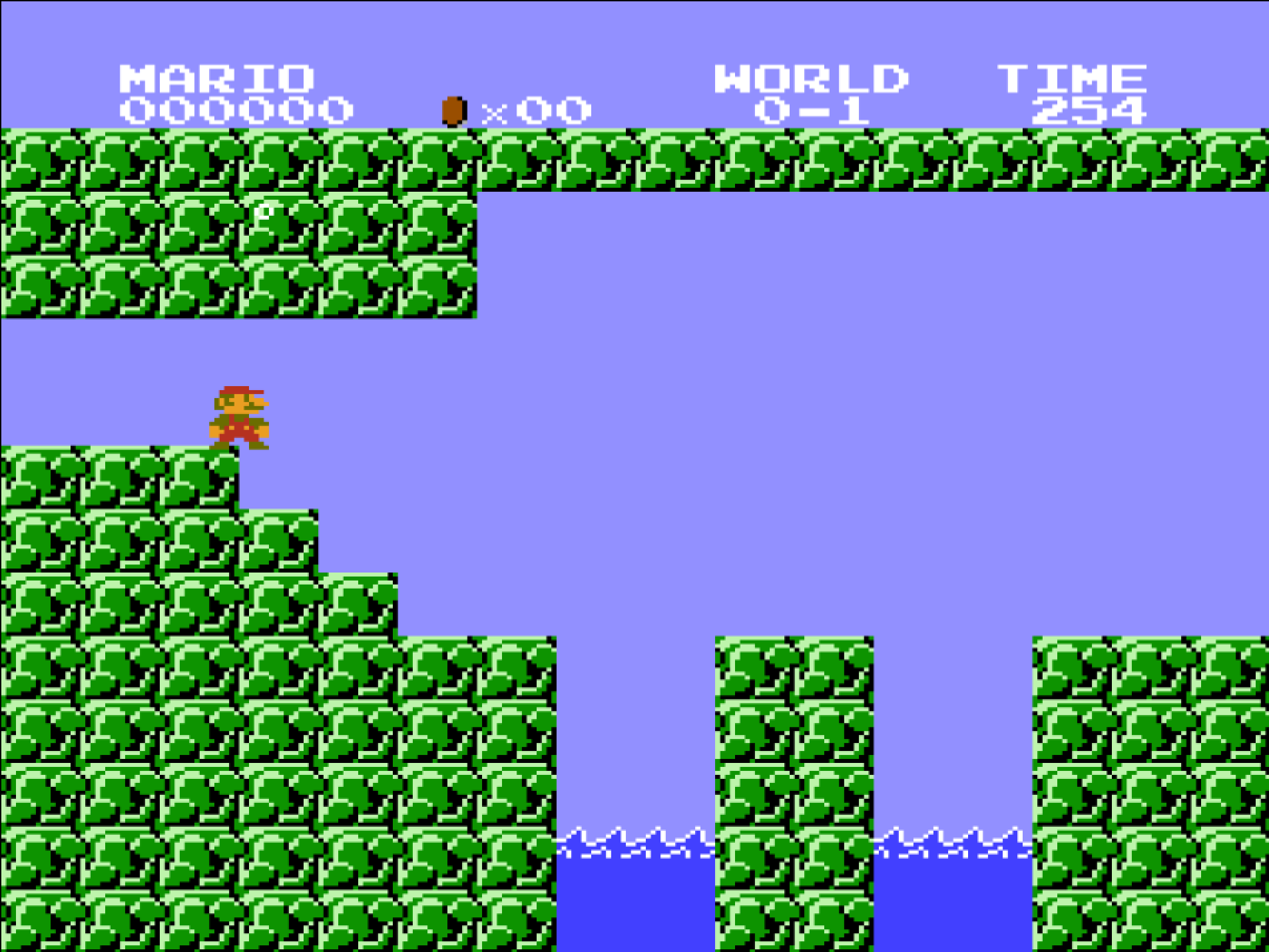
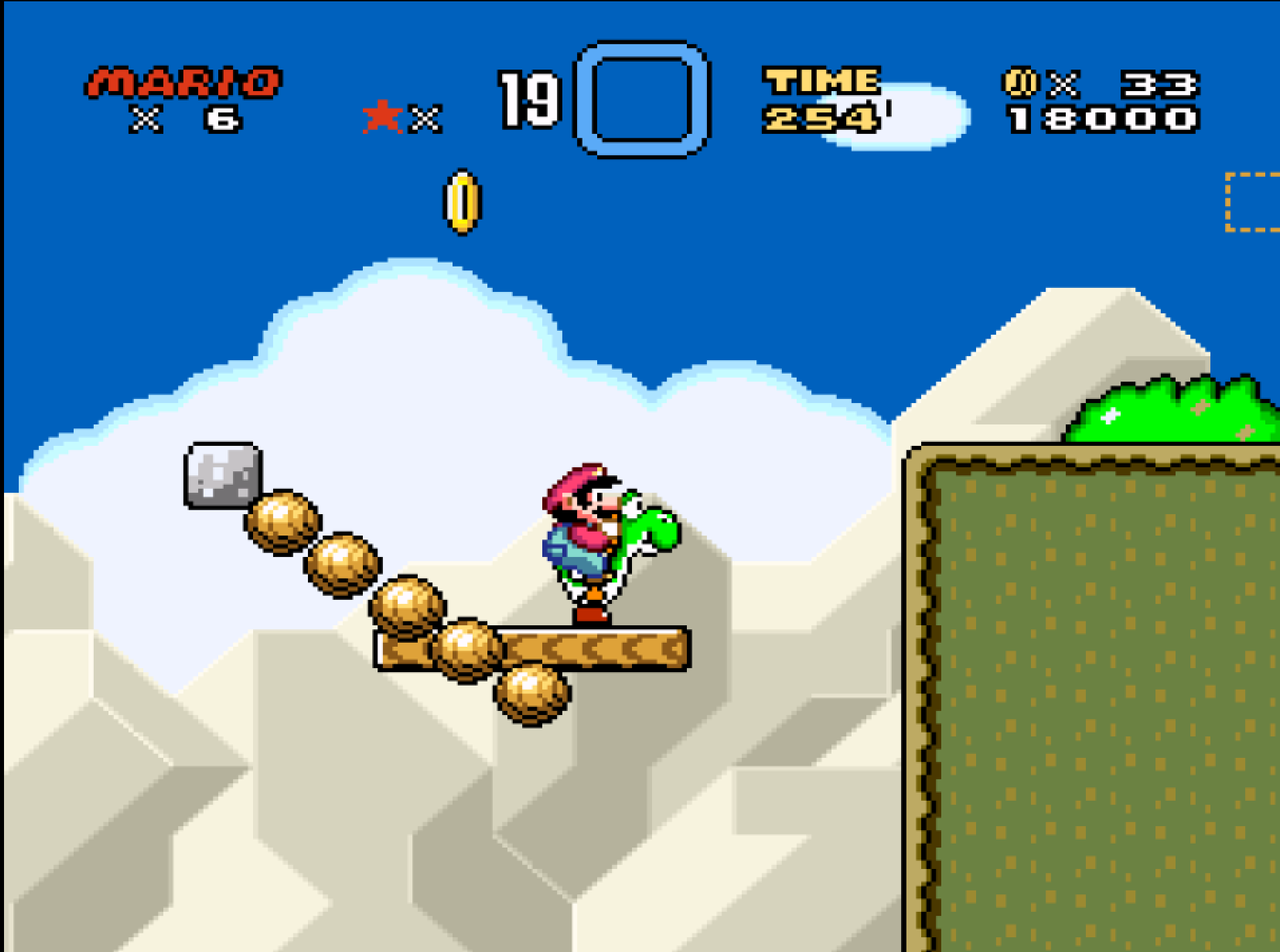
Mario Bros. on NES Super Mario World on SNES

The emergence (and solidification) of genres was also an important development during this era of gaming. Sure, genres were dappled in prior to this, but the following games gave definition to them more so than any other period (and yes, I’m skipping over the parallel evolution of PC games):

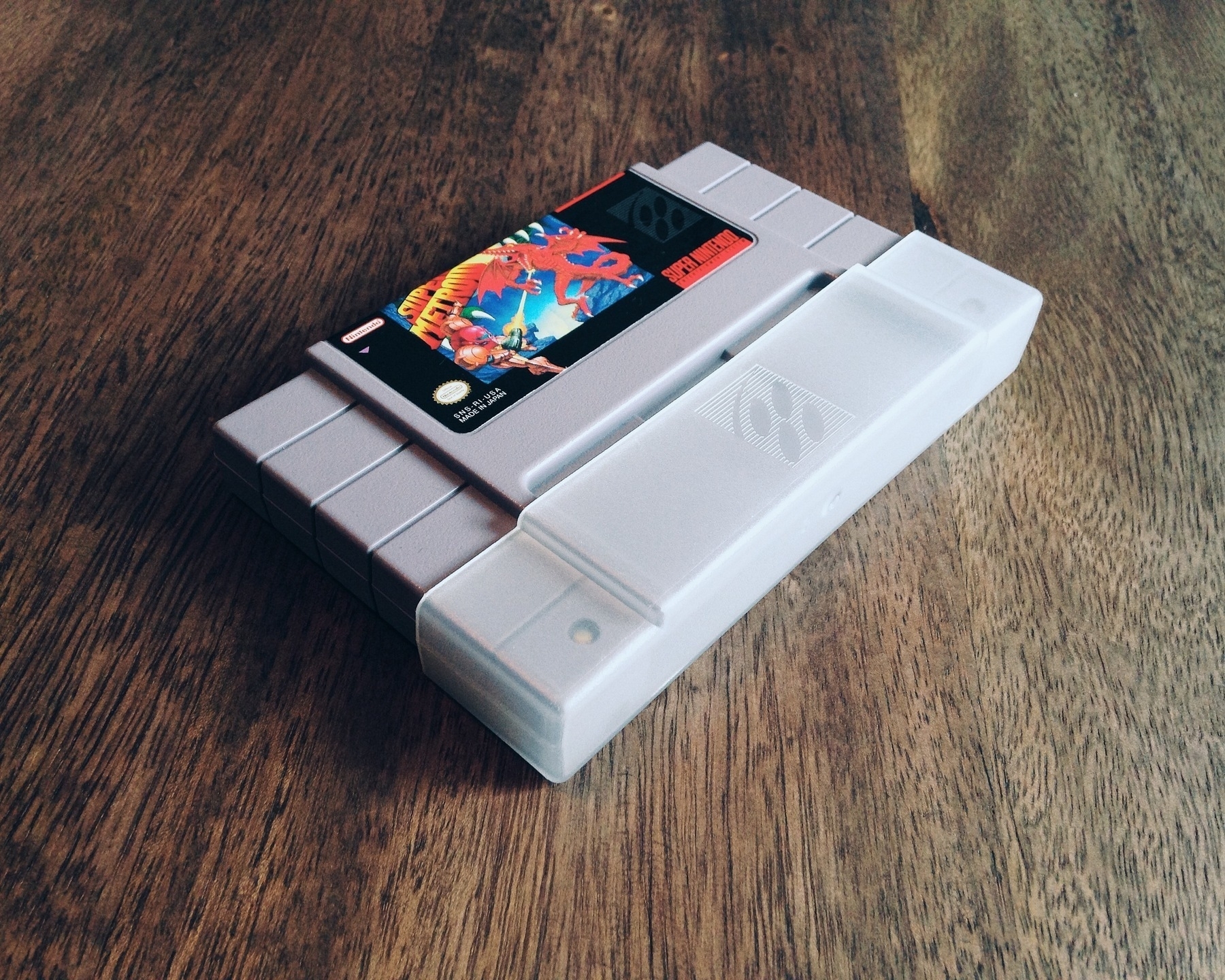
  • Legend of Zelda: A Link to the Past (action RPG/adventuring)
  • Super Metroid; Castlevania IV (adventure platforming)
  • Final Fantasy VI ("III"); Chrono Trigger; Mario RPG (RPG)
  • Super Mario World; Donkey Kong Country (platforming)
  • Super Star Wars series (movie tie-ins done right)
  • Turtles in Time; R-Type III (home arcarde ports)
  • Street Fighter II Turbo; Killer Instinct (fighting)
  • Starfox (simulated 3D flight gaming)
IMG_6951.JPG

Sure, the list isn't exhaustive, but you get the idea. And if you take a look at the inventory of indie games modeled in the retro fashion of parallax scrolling, character sprites, and MIDI musical scores, so many of them borrow designs and aesthetics from these games. The recently released Shovel Knight is a great example. Even though it was actually modeled off NES, albeit with a much larger color palette, it far exceeds other efforts in this scene and unequivocally captures the magic of old school platforming. But its basis is grounded in the foundation that games like Super Mario World, Mega Man, and Super Metroid set forth before it: We recognize elements like world maps, item collection/usage, and level progressing because they've been imbedded into gaming culture as jazz standards to structure.

Another example of this is Braid, an indie game that was released several years ago. Aside from its pedantic storyline, the game revisited the platforming genre so many of us were familiar with, but twisted its notable elements (e.g., the ability to unwind your actions and scroll backwards in time). It also approached retro gaming with a bit of a deconstructionist lens (ahem, the ending). The graphical approach with this game was, as you'd expect, very much rooted in the styling of so many Super Nintendo era games. Sprites, color palette, two dimensional scrolling, basic control schemes. It's all there, and it's all easily accessible. Thus, the recognizable elements were in place for us to calibrate certain expectations, and our surprise and enjoyment stemmed mostly from the way the game approached those elements.

Accessibility & Enjoyment

Now that I bring it up, perhaps accessibility is one of huge defining characteristics of this era in gaming as well. Most Super Nintendo games, along with its straightforward controller, can pipe picked up and played by just about anyone (based on my limited empirical evidence and general assumptions). The same can’t be said of what I'd consider a modern-era genre: first-person shooters. Two analog sticks controlling two different axis in a three-dimensional space? Not going to happen for some people. It's also an incredibly different control scheme for mobile touch devices, which is one of the reasons so many developers design games in the mostly 2D space -- easy for folks to control with essentially two inputs (your thumbs). Any game or classic title port that requires a virtual gamepad be embedded in the lower part of your touchscreen immediately complicates things. A modern-day console genre is going to be so much more difficult to implement and play that it confounds me that so many developers try.
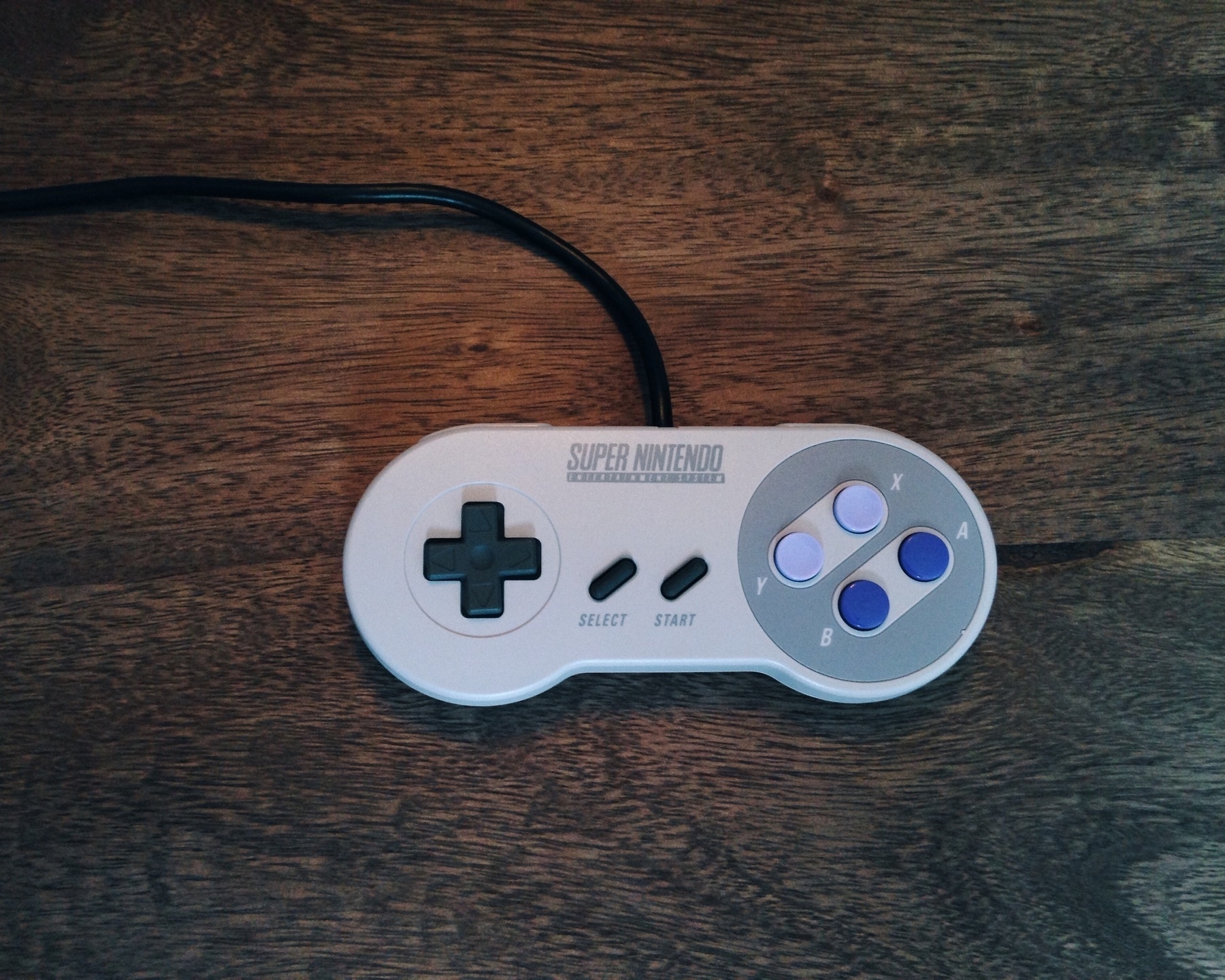
Super Nintendo Controller.JPG

My last remark on this whole thing is budget. While this can be argued ad nauseum, I believe it is likely much cheaper (and more developer friendly) to create a game styled in the Super Nintendo era than it is to build something on a three-dimensional scale with a modern game engine. The expectations of graphics, sounds, physics, and interactivity are so much more relaxed with most 2D gaming configurations that I believe we will continue to see games modeled after the classic era for years to come.

So. With booting up that old console comes more than just a nostalgic session of gaming. It opens up colorful, genuinely fun and accessible games that you have to physically clamp down into a bay inside an old beige box and flick to power on; it removes you from all the modern distractions (notifications, online buddy lists, co-op matches with assholes half a world away); it requires you to sit a little bit closer to the screen so that the the controller cord isn't stretched too far to rip the consoles out of your media center; and it beckons you to sit next to another human being, trading turns or competing against one another, in the same room, on the same couch, for hours into the night.